Category: Begin
Tips for Album Cover Photoshoots
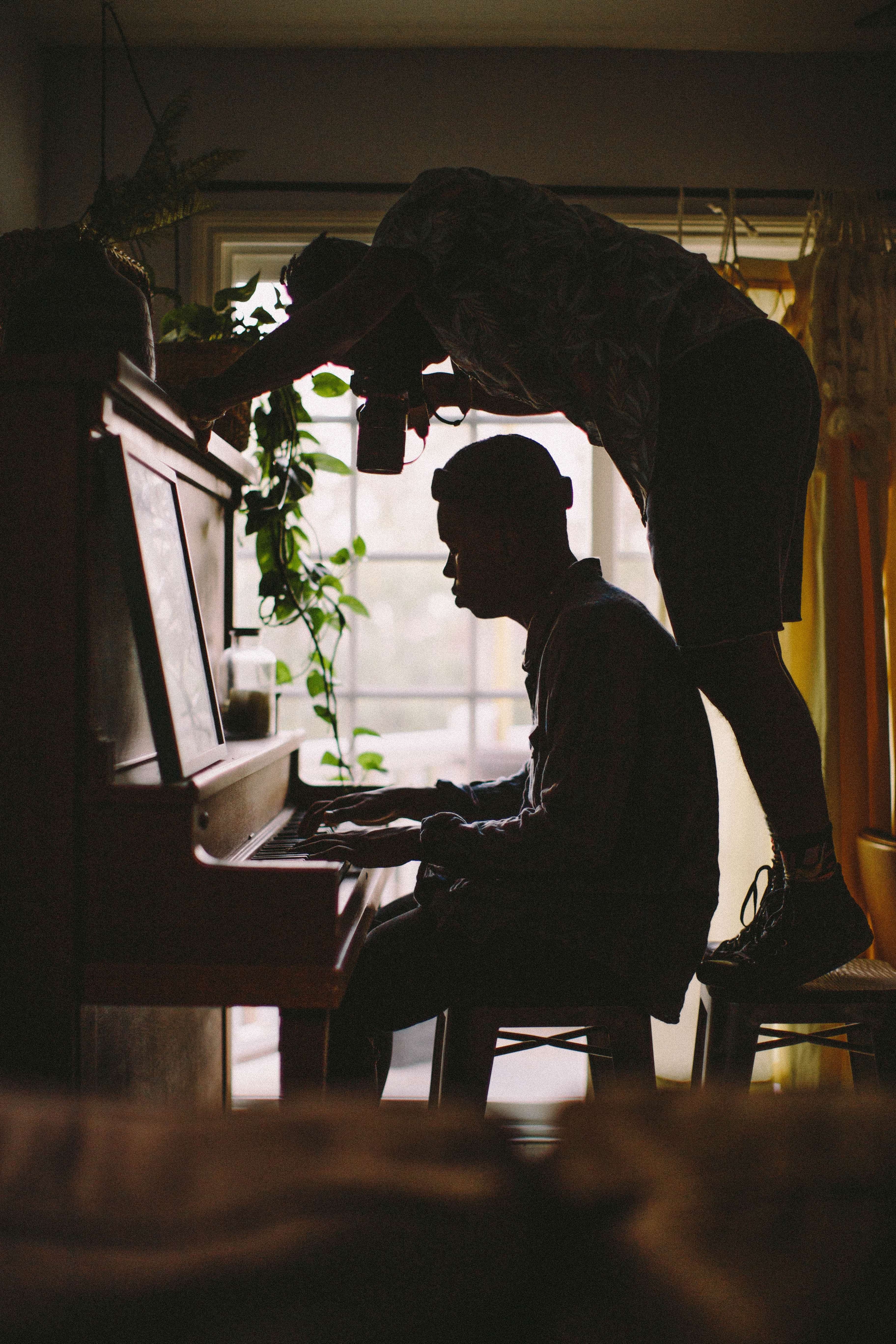
An album cover design with an artist or a band’s actual picture on it doesn’t invite us to listen to a specific kind of music, but it invites us to listen to their music specifically. Many artists who can tick more than one box in the list of music genres choose to go with their visual presentation being their own “face”. In this way, the branding of the product or the project doesn’t orbit around the genre presentation (such as the album cover design that shouts “hip-hop” or “black metal” from miles away), but it focuses on the person who the product is orbiting around, making the image of the artist(s) the primary branding source. Now now, can’t a photo of an artist tell the audience a tad of what genre of music to expect? Of course! It’s the camera angle, the color code, the outfit (if in frame) the makeup, the hair; and most of all, the album design itself that communicates the genre to the audience. Nevertheless, the message of the album cover gets divided into primary and secondary; primary being the people themselves, since the human eye picks up on human or mammal figures much quicker than any other subject in a given image, secondary being the genre. In most cases where the image is left rather untouched, the genre gets to be “sensed” by the atmosphere of the cover design; from the color profile and framing to text style and placement. If the image is heavily treated within the visual norms defined by the musical genre, then the message can be divided more evenly. Good examples of this approach can be seen in classical music, hip-hop, and punk album covers. Album cover art that is prepared to present pop, folk, and various subgenres of rock don’t have to “shout out” the genre that is about to be heard. We have the ability to see who we are better than anyone else. If our music is our identity, what better subject for the album cover of our next release than our own image? Besides, we know precisely what angle our face looks “better” to our own preferences. Nevertheless, being able to capture our own authenticity in a frozen moment may not be our strong suit. Having an “album cover suitable” photograph requires a different set of tools and skills than the one might need to take, say, a selfie. For this reason, there are two ways to go: Learn how to do it yourself: By this, we mean really learn. Learn about cameras or specs of your smartphone and apps that you can use, and learn about lenses, angles, types of lights, environments, frames, formats, compositions, and subject types, just to begin with. Learn the vocab, learn by making self-sessions, and learn by taking hundreds or thousands of pictures that you will never use. Or, hire someone professional to take your pictures: Now, this does not mean there isn’t anything else left to learn. Communicating your needs, requirements, and expectations to your photographer is your responsibility. Just like the way you would talk to us about your vision about your custom album cover design, you must be able to give clear ideas and hopefully some examples to your photographer. So, go to your CD shelves or Google all the way! Take a look at the album cover designs that have attracted your eye and create curiosity to get to know the person or people that are presented on the album cover. Notice what you notice first; is it the person or the pose, is it the text or the environment? Is it the eye contact that you are attracted to, or how the text blends with the surroundings? Is it the anonymity that you feel related to the musician or is it the intimacy? Answers to all these questions will play a key role in figuring out the photograph you will be using on your next album cover design. Pay attention to the environments used in the photographs. Is it an urban, or natural landscape? What time is it during the day, and what season is it? Is it a studio environment, or is it a close-up where there is no background at all? Is the light warm or cold? Is the light source near the subject or far away? Is the light monodirectional or broad? Answering these questions can help you plan things, fix the wardrobe (with a few options if necessary), and choose the location and hour, even before discussing details with your photographer (or with yourself). Next, check if the camera is shooting from their eye level or from above or below. What is the camera angle? Is it tilted? Each camera angle creates a certain impression on the people seeing the frame; very vaguely and overly-simplified; we tend to relate with more sympathy to subjects when we see the figure shot from above as if we are the ones “taller” than the subject, and we tend to look more in awe to figures shot from below, as if the subject is “larger” than us. As if we are in a social environment and receiving people who are coming towards us, seeing shots that are taken directly from the front angle creates a larger impact of “confrontation” than the diagonal encounters which start rather smoothly. Take a good look at the poses of people you seem to relate to and yes, “it’s mirror time”. If the pose involves a wall, chair, table, etc., try to recreate the environment before the big day to see if you feel comfortable with the objects around you. Tables and chairs, just like our hands and arms, become this weirdly-strange-alien-things-how-the-hell-do-we-use-them-normally-anyway when we are in front of the camera lens trying to “act cool”, or worse, “act casual”. Once you start feeling more comfortable (or bored perhaps) switching from one pose to the other, or finding alternatives and variations within one pose without having the awkward laugh in between each movement, you will be more comfortable during the photoshoot, since, although it is a moment that we are in need of capturing, a good artist photoshoot is a performance art (collaborative or solo) on its own. Share your vision, your references, and your means with your photographer as much as you can, and keep the work process as transparent as you can. Point out what you like and point out what you prefer, and point out what you would alter. Now, hoping that the rest goes swimmingly, we will be expecting you to contact us for your custom album cover design in no time. Remember to check our custom design options here, and just like you would do with your photographer, hunt down the album cover designs that inspire you to make your own music in the first place and see if you have any elements in their visuals that you would like us to get inspired from. While doing this you can use your own CD shelves, you can Google away, or you can use our own database with more than 5.000 unique album cover designs. Meanwhile, stay tuned to the Album Cover Zone blog, as the next post will be about how to communicate with your co-workers, may they be your photographer, sound engineer, band or team members, or us, for a custom design!

An Independent Artist's ToDo List
Being an indie artist means you have to find your arranger, sound engineer, recording artist, organizer, designer, web developer, blogger, social media booster, marketing manager, and a few more. You can try to be all or some of them at the same time as well, but if being the musician is the priority for you, you might want to share the workload with a few other people. Here are a few tips on keeping things organized; Make a list of things you have to do A task such as “Release single” means finding; ☞The song to record, ☞The studio to record in, ☞The musicians and the sound engineer to record with, ☞The sound engineer to produce with, ☞The designer to make the artwork for the product (this is where we come in...), ☞The provider to choose a label from, ☞The platform to share it on, ☞The service to print it, ☞The concerts to promote the single, ☞The director to do the promo video with you, and the list goes on. If you can think through the process and organize and divide your budget, working hours, and physical and mental energy evenly throughout the whole process, your chances of going off half way get to be zero. Power of Asking: Look around to see who can help you with what Join the forces of everyone, not many people can do it all. Each “self-made” artist has a thank-you list with at least 50 names on it. The good ones share the gratefulness. ;) Your to-do list will provide the ground to know what you have to ask for. Favors can go from proofreading your lyrics to helping you out with the microphone positioning. We all are capable of some stuff that other people don’t have time to learn how to do and good people like to help. Look around your friends to see if anyone needs to have a music video for a finishing project in school, or if your friend with a day job as a hotel receptionist can hook you up with the event organizer of the building or not. Showing your gratitude doesn’t mean paying money all the time. A home-baked cake or a favor to return can mean as much when it comes to good friendships. Write down every minor task that comes to your mind on the spot The more you enroll in your musical project, the more things will come to your mind. Such as proofreading. When you first wrote the song, maybe it didn’t matter much, but nobody wants to take the risk of having a hit song with the line “when centimeters feels like miles”. How to costume-design for the video clip, the need to rent a car to go to the studio with all the gear, the necessity to provide lunch for the recording artists during the recording session, CD covers and costs, etc. can come to mind a later point, they all have to go into the todo list the moment you think about them. Turn your list into a timeline and divide tasks based on priority When you have 20 things to do on the list, you might feel a bit overwhelmed. Now is a good time to realize you need to go forward one step at a time. See the road ahead of you. Just like you don’t want to record the song before proofreading is done, you don’t have to panic right now about figuring out the way to transport the gear you need while touring. At this point, turn your to-do list into a timeline, and the priorities will start to show themselves more clearly. Divide the work between band members or between days Not everything can be done by other people and even organizing the to-do list is a job on its own. If you have a band, divide the tasks that need to be done by the core group of the project based on the strengths of each member. Some people will have a more visual eye and will lack being on time for meetings. Decide in advance to divide the poster design responsibilities with one member and meetings with venue owners can be done by another one. If you are a lonely cowboy or a cowgirl in your project and need to multitask on a constant, give yourself an allowance to not think about something while doing something else. Don’t think about how to prepare the studio for time/cost efficiency, or don’t worry about social media visibility while dealing with the composition. You can divide days to work on various tasks (Monday for arranging, Tuesday for organizing, Wednesday for social media preparation, etc.), or you can divide the day into various sections (morning for social media, afternoon for recording, evening for e-mail sending, etc.). The important part is to stay in the zone of a task rather than wasting your energy struggling between multi-dimensions of an independent artist’s various responsibilities. Commit to the list Make a timeline for an individual task (release single) make a timeline for the coming year (grow audience) and keep them updated. Your weeks, months and after some point, your years will become much more stabilized with this way of working.And finally, enjoy the satisfaction of taking something out of the list! Cross the task with pride! For example, take a look at our covers especially designed for indie musicians like yourself, and pick the cover for your next single, personalize it quickly, and have it ready to use in seconds!
To Serif, or Not to Serif
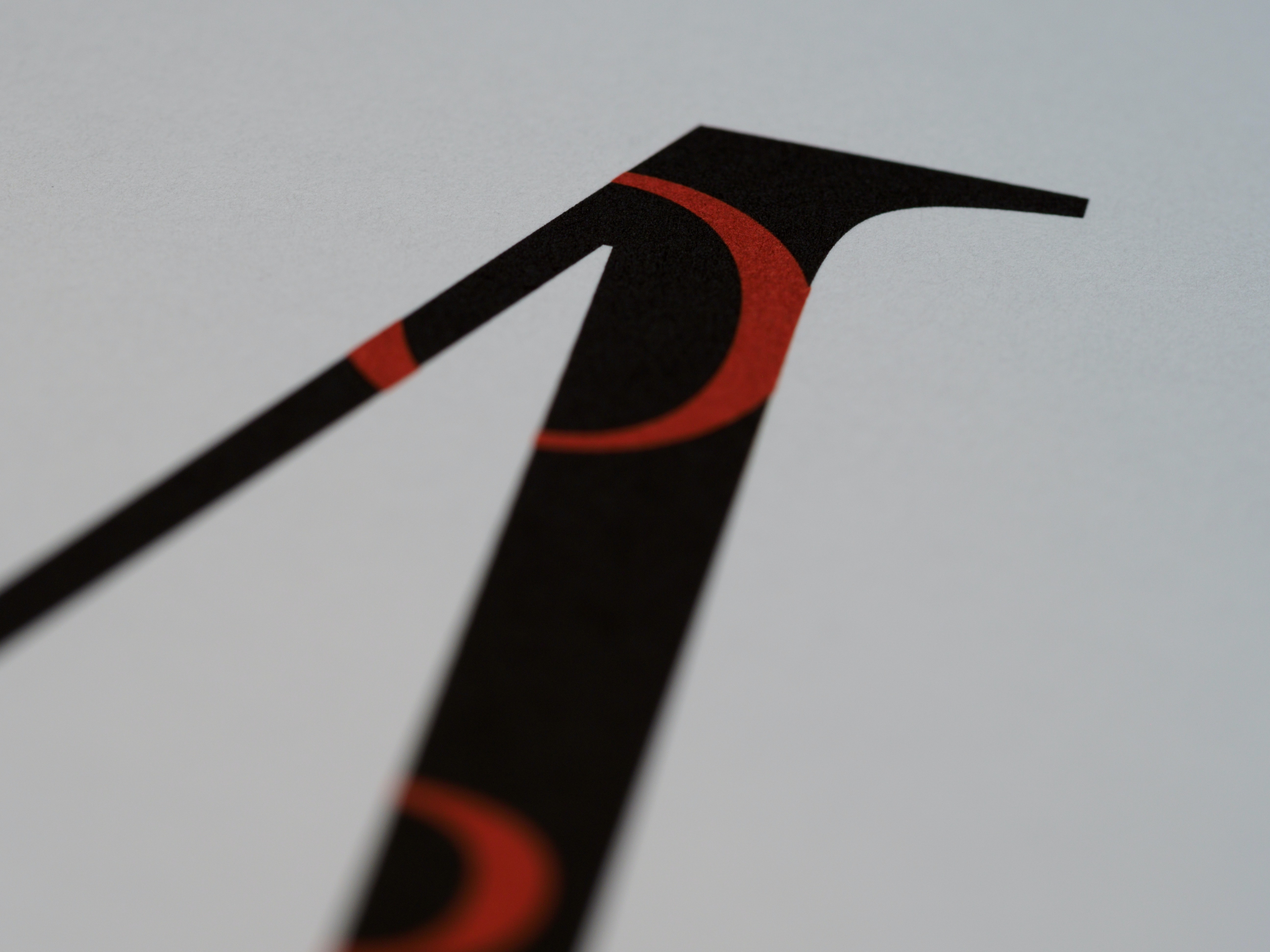
Do you spot the differences between Serif and Sans-Serif fonts as you browse through the ready-made cover art available to you on Album Cover Zone? To lay it down quickly: Serif fonts have the often called “tiny feet” that extend from the letters, they are the small extra strokes at the end of the main endings of the letters, which give a more decorated look to them; Sans-Serif fonts usually have a more plain and bold look (because they don’t have the extra feet, thus Sans-Serif - “without serif”); Serif and Sans-Serif are not only two types of font - they are font families or typefaces. Just within the two of them, you can find hundreds, maybe thousands of fonts. The possibilities for variation within each typeface are unlimited, and is all up to the ingeniosity of typographic artists to create them. It is remarkable how much variety there is in a simple, yet so powerful, thing such as adding and removing the extremities of a font, or altering the placement, size, or style of them. Our designers consider font choosing a very important step in the creation of high-quality album covers. As you will see with the continuation of this post, fonts have a huge role in conveying the right information from your album cover to your audience. Usage Once you start catching consciously the differences between Serif and Sans-Serif you begin to notice where you can find more of one font or the other. Their details convey different messages and help the reader to perceive better the written information, be that your band name, or your album title. Serif fonts are commonly applied to long text styles - to share large quantities of information. They allow an easier long-term reading, more natural and connected (to name a few; Times New Roman, Palatino, and Georgia. Do you recognize these names?) In the case of Sans-Serif fonts, you will most likely find them in places that intend to convey short and direct messages to you. Their plain visuals allow a fast detection of the word, making it ideal for road signs, billboards, car plate numbers, and so on (to give a few examples to this typeface; Arial, Helvetica, or Futura. Fonts loved by the designers of AlbumCoverZone!). But Why This Difference in Usage? It has to do with helping the reader read better in both long and short texts or single words, but it also has to do with how people perceive the qualities of each font. Let’s dive deeper! Serif fonts are generally considered to be elegant, to convey a formal and established presence, and to be more classic, hence you can see many classical music album covers with serif fonts. Not only do they look more classical, but also have a very important historical weight, which is carried to the character and meaning of the font. The exact origin of serifs is unknown but there are various established theories. One of them comes from the fact that the Latin alphabet, being rooted in the Ancient Roman tradition of writing, carried their tradition in the style of typeface. Back then, the stone carvers marked the letters with serifs to clean the endings of the lines carved onto the stone, so it was a solution for quite a different challenge. This practice carried on throughout the evolution of the Latin alphabet, and it arrived in our days carrying a very relevant weight and tradition. That is why we associate historical music, such as early music with the font families that have serifs too, and you see so many early music album designs with serif fonts as well. On the contrary, Sans-Serif fonts as we know them were established from the 19th century on. Does the Industrial Revolution ring you any bell? Exactly, with the coming of mass production, mass marketing, and ever-faster ways of communication, Sans-Serif usage spread incredibly fast, becoming one of the most commonly used typefaces. This is one of the reasons why in contemporary music album covers we often see Sans-Serif fonts. An album cover designed to include “new content” in it will often use Sans-Serif fonts. The music represented with these fonts doesn’t have to be very classical and serious music, you see this in alternative rock album covers, pop album covers, and many other styles. Sans-serif is seen to be the style that conveys the most various styles. Now returning to the 21st century... our excellent designers choose their fonts carefully based on the message they believe you will be conveying to your audience. By browsing our premade album cover library, you can find various contexts and usages for these two types of fonts, even cases in which the traditional rules for font choice are broken. Ultimately, the equation that will transmit the message on our unique album covers, consists of finding a balance between the quantity of text, placement, size, and font choice, in relation to the art on the cover. Need a cover with a traditional touch? Check out where those Serifs hang out. Wish to get a cover that will have an impressive and modern impact? Be on the lookout for the Sans-Serifs! Move on to our online catalog of premade album art, and choose your new, amazing, and unique covers!
A Guide for Healthy Collaborations
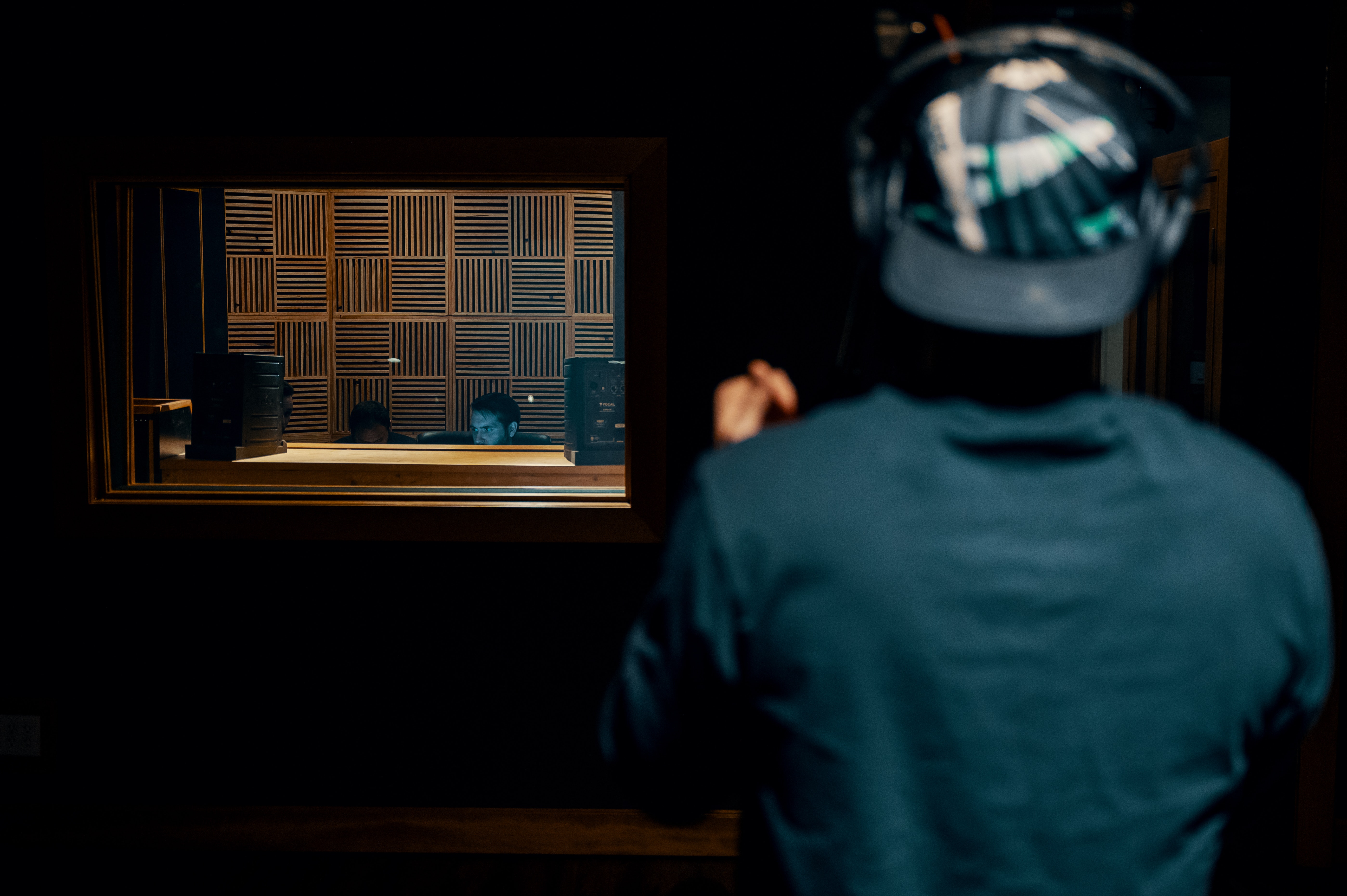
Going solo or as part of the team; it doesn’t matter whichever path you take, there is a high chance you will be collaborating with a few outsiders along the way on your career. Communication skills are the key when it comes to bringing the product (your music) to the highest level possible. This does not mean happy happy joy joy months of smooth sailing with your fellow creators, in fact, a good discussion here and there is likely to be recommended to have rather than to avoid. Why is that? As long as the goal is clear with the intention of “making the best out of what can be done” and it is a shared opinion or passion between the parties invested in the quality of the product, no argument is there to bring anyone or anything down. On the contrary, it is to lift the product. If there is a heated argument in which both sides are fighting for what is best for the music, there is a high chance the result will please both sides. If the argument has any underlying agenda, the music won’t pass being some sort of a vessel for hidden issues to be worked out over, hence it might not even become a product. To maintain a healthy environment, we can give you a rule of thumb; Know who is doing what for what. Devotion levels may not be even, and that’s okay, as long as it is transparent. Some will only want the money, and some will want something more on top of that. Investment levels may not be even, and that’s okay, as long as the earnings (acknowledgment as much as profit) are shared rightfully. Not everyone needs to shed their blood, tears, and sweat over a project as much as others do, and that's okay as long as they (or you) are aware of it and don't ask for an equal comeback. Decision-making powers may not be even, and that’s okay, as long as roles are defined with transparency from the start. Outside of this, be positive, be constructive, and be curious. May it be with your fellow musicians, or production management, organization, or design departments of your musical path, any time feedback is required; Always start with positive feedback. “I like this a lot”, “This detail is exactly the way I imagined it to be so”, “I like the layout of the design very much”, and “The guitar tone is very convincing”. Even if they are obvious niceties, the maker will appreciate hearing them. Positive feedback is key to opening the gates for a productive comment chain to begin. You may be a trombone player who is shy about providing even positive feedback on the string section arrangements, but at the end of the day the arranger will be doing this arrangement to reach out to non-arranger folk, hence your feedback will be equally appreciated. Go on with constructive commentary that is authentic to you. Be as clear and as kind as possible. It is possible to do both at the same time. “I hear the lyrics loud and clear in the mix which is amazing, and I think having more drums by the end could show the energy even better”, “Colors are amazing but I think the text is a bit small for people to read on the street”, “I noticed and liked what you did with the dynamics on the C section, but I liked the previous version as well, how about something in the middle?”, “I especially liked the close-ups in 04:22, but heads up, 03:15-03:20 has a timing issue!” Ask people what they think about your feedback. Curiosity doesn't kill the collaborator. You need to know if your words provided the right input before the next session. If they did, and the person agrees with you on the details you pointed out, you can be sure to follow the same approach next time, which is a valuable lesson on its own. If they didn’t get what you meant entirely, now is a good time to find other words to express the same thing again. Your colleague might be more easy to communicate with with other means; maybe this time with numbers or letters or color codes. Looking to find alternative ways to clear out your message is a healthier way than expecting what you have suggested to sort itself out magically until the next meeting if your feedback wasn't understood by the receiver. By staying on the curious side, you guarantee that the assumptions will be banished before even being created. It is also important for people to feel that their opinions matter even if it doesn’t match with yours. If there is disagreement, ask them why they disagree with you; either they have a valid reason that you did not consider until now which might change your opinion, or they have a different motive than yours that needs to be seen and acknowledged by you and talked through for your team members to understand your perspective. Depending on the predefined structure within the team; regarding whether there is a leadership, a chain of command, or horizontal management, the disagreement should come to a conclusion based on the final decision of “the chosen one”, or a leveled compromise can be invented now that everybody has their cards on the table.As a last note; always keep in mind that any long-term collaboration will always be a bumpier ride than the one you would have with a hired gun; a session musician, an arranger for one track or an album, a recording engineer that you only see in a sterile studio environment, or a one timer photographer or designer. But this on its own is just a fact, not a suggestion to choose from. Saying this, here at AlbumCoverZone, we take one line off your list of “people to find/communicate with” to produce your music by offering you thousands of premade unique album cover designs for you to choose from, and in case of request, we also provide custom album cover design services. So go ahead and take a look; we have been long-term collaborators with countless musicians and would love to have you on board!
The Rebirth of the Single
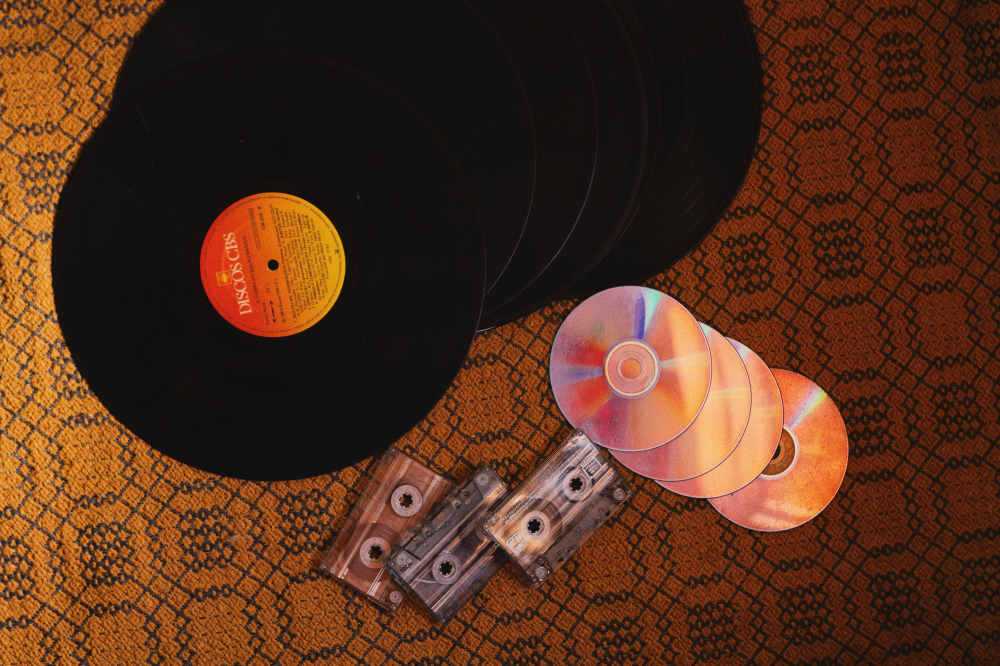
Singles, LPs, EPs, albums, streaming, hearing it on the radio, SoundCloud, Napster, donating, purchasing merch, buying the CD, the LP, the cassette, mp3.com, Spotify, the mini-disk, the USB stick, myspace. Words and verbs change all the time. And that influences music in incredible ways as well. Technology and product type often gave shape and form to the inspiration. When there was no way of producing 90 minutes of music to one physical item, no one had the expectation for a work to be considered “complete” it had to have 60 to 90 minutes of music in it. But once that length got standardized, having anything less than that became almost unacceptable.Before this possibility, music was recorded to “fit”. Songs had to be short to be able to fit in the single. EP (extended play) used to be the “long” version of a work, in comparison to a single which used to be “the” way. Once LP (long play) became the standard, EP became the “shorter” one in the family of recording products.Certain jazz classics that were recorded back in the old days would skip the “head”; the main melody, and enter directly to the solos of the jazz cats, simply to leave more space for solos during the recording. Can you imagine a decision like that made today with such motivation? Musicians of today would decide on the same result only by having artistic concerns. A lack of megabytes or gigabytes would not be included in the decision-making as a reason for one or the other.The longer the music could get per unit that was sold, the longer the compositions became in certain styles. Progressive Rock gods and goddesses carried their soundscapes to a new level, Electronica based itself upon continuity of sound, and concept albums were born because bands could tell a story larger than life, thanks to all the extra minutes they gained after being stuck to 3-4 minutes, 15 minutes, and so on.Short pieces stayed in usage, radios still preferred them to blend with talk shows. They fit better between advertisement breaks, and the attention span of the mainstream audience was used to this length since not each station had the same resources to upgrade their studios to the most up-to-date gear. Today there is no essential reason for a song to be mainly assumed to be within the length of 3-4 minutes, but the common habit of a century generated this rule. Some opinions provide scientific answers to the magic of this length, but one can wonder if they would have the same type of answers to the golden length if humankind started with the recording technology from recording 15-minute productions in the first place. The 80s and 90s didn’t like short albums. Cassettes and CDs being the standards, even the cute and practical mini discs didn’t hit as much as people expected when they arrived; because the audience was used to being presented with a bunch of radio hit songs, few ballads, few upbeat songs all at once within one album. This demand gave many bands a certain “obligation” to fill in the full length of the compact disk. There were various ways to do this. There are countless covers of John Cage’s famous 04:33 due to this reason (!) and the habit of “having cover songs from a band from the 70s/80s at the end of the album” was another way when the inspiration fairy didn’t provide 13-14 tracks to the band but only 10-11.But today things are changing again. Platforms like Spotify don’t accept music that lasts less than a certain amount. Because everyone gets paid the same per stream within a window of 2 to 10 minutes, progressive metal bands are not financially motivated to produce longer tracks. Shorter music became more popular than ever, since it brought significantly positive results for the producers, with lengths of 2 minutes and various seconds, various people produced albums that had 20 to 25 tracks rather than the usual 11 to 15 tracks and took advantage of the stream count systems. Once this formula became too obvious fashion shifted back to “3 minutes and something” length songs again. How to catch up with this? The length of the track will always have its artistic reasoning, but the length of the product and the length of the track have separated their ways these days, due to the monetizing methods of various streaming platforms. Since this change happened, even the most high-end productions switched to giving more weight to singles. After 100 years, the single became the most powerful music product again.For at least the last 40 years, a band would maybe release an EP before having the budget for an album, and release one, maybe two singles before the release of an album as a promotion of the upcoming album. Today’s well-known bands are releasing sometimes even 5 or 6 singles before releasing their album because they know the value of streaming is not coming from the power of the album as much as it used to be. Today’s currency is visible on social media platforms with good news all the time, and due to this, a musician must bring the audience as much new music as many times as possible. This is where we come in as the AlbumCoverZone to help you out. Our premade album covers are designed to be unique, and our budget-friendly pricing can bring your new album release strategy to the next level by giving visual identities to every one of your singles.

Should I look similar or different?
“Should I look similar or different?”, is a question that needs a lot of attention, awareness, and a lot of honesty; because the answer may end up being the opposite of what you were thinking in the first place. This is a question you should ask yourself many times when imagining your next album cover art. It will help you reach much quicker to the album cover design you need. Musicians often wish to be unique, but this comes with a challenge. If you look too unique, the target audience you are aiming for might not be able to recognize you. If you are a singer-songwriter who is looking for an album cover that will make you stick out, and if you end up choosing something so avant-garde that the singer-songwriter audience group assumes your album to be a neo-classical music album, you would end up losing audience instead of earning recognition in your field. This is why, no matter how unique your sound might be, the genre you believe you belong to (if there is any) must affect your choice of album cover design. On the other hand, if you look too similar to content that is part of your “inspiration list” you may risk staying under that content’s shadow. Most people tend to think that it is a bad idea, but one must be aware of the position they have in the ladder of a genre as well. In short; until people can recognize the style of music based on your album cover, it will have to go the other way around. Unless you are not the inventor of a style, there will be some resemblances in your album cover art to other musicians’ album cover art. These may be independent artists, or label-produced, high-end artists, it doesn’t matter. So, looking like “them” doesn’t have to be a bad thing! It can make you belong. Looking similar to anyone more famous than you can have bigger advantages than the contrary. Being easily recognized by your target audience certainly can not be a bad thing. All we know, the target audience that you aim to get maybe bored of listening to the same band over and over to reach that sound style and quality. Your album design, being similar to the artist they are already a fan of, can easily make your music heard by the exact audience you wish to have. Yet again, if your sound indeed is unique, and that is the whole point of your musical existence, you should look for album cover art that does not ring any bells in anyone’s mind. Because if your cover design looks a bit too heavy metal, the indie audience may shut you out. If your album cover art looks a tad too classical, the hardcore contemporary audience may assume you are “easy listening”. This is where the crossover album design styles start entering the game; album art which can hint that you have a heavy side with a contemporary touch, but still can be considered serious by the classical music audience. The year is 2021, and we all are hardly admitting to ourselves. The music scene has never seen so many individual productions as it did last year. More results of this independence will appear. As much as the one-person formations, more unexpected collaborations will show up. With what we all are still going through, the world has become a lonelier and smaller place at the same time. People who would not collaborate otherwise found themselves through social media, without questioning the chances of them performing together one day or not. In a year where music genres are getting harder to pinpoint and recognize, at AlbumCoverZone we are adapting ourselves to it as well. Our design team is working hard to produce covers that are especially designed to blend into a style of music that is already established, to be used by flourishing artists that are diving into the music business from scratch; and album cover designs that shout the style of music by its look. The same designers are also working hard on designing album covers for the music that is hard to define with just a few words. So, go ahead and take a look at our collection!

What is the Ideal Length for an Album?
Have you ever wondered why albums are with their specific lengths? Was it always like this? When do we call a group of pieces an “album”? How does one decide when an album is finished? Before it was easy; the technology would decide it and the “almost maximum length” of the LP/cassette/CD/etc.’s capacity would be the expected average by the purchaser. As recording formats developed, a couple of minutes turned into a couple of songs, short collections, and lengthy works and we have reached what we call nowadays the “album standard” which is the average Audio CD length that has reigned the music industry longer than any other technology that came before it. But nowadays albums can go from half an hour to 2 hours, depending on the producer. When the “average CD length” was ruling the world, an album had to be “long enough” or “short enough” to fit the Audio CD. Overly inspired bands and musicians would provide double CD albums, but for some considerable decades, an average length music album would be approximately 60 minutes, with the usual maximum of 74 minutes, besides a few exceptions of 80 minutes. But nowadays, without being framed to a defined length by the physical format and technology, there are various ways of deciding on your album’s tracklist length. The way to decide an album’s length relies more and more on the musician’s artistic choices and release strategy to reach more audiences, rather than mainstream expectations or technological limitations. There were always books with a thousand pages next to books with less than a hundred pages on bookshelves, and the readers were okay with it, as the price of a book oftentimes altered depending on the length of the book (as much as its popularity). But the very short albums in the physical format would not be “worthy to buy” for most of the fans, since producing the physical copies (not the music but the copies) of a short or a long album would cost almost the same, there wouldn’t be as big a price difference between the two. But just like the books, today the album lengths vary more and more and the audience are okay with it. Users of music streaming services do not feel a “price difference” in most of the platforms due to the stream economy rules being different than the printed music industry. So, if your musical journey only requires 30 minutes of music spread through a few tracks, you are more than welcome to produce it in the short length now without the worry of needing to add more tracks to “complete the work”. Short albums are on the rise for a monetization strategy, as they provide artists with more chances of engagement with their audience. Each release means the ability to pitch various songs to all major stream platforms; each release means posting for the fans to hear about your new work on all social media platforms and create more engagement; each release means a new album cover design to communicate to your audience visually; and each new album cover design makes your audience visually aware of you. If you are making music suitable for the background, providing your audience with a lengthy album can be preferable. Most of the atmospheric music audience like to stay with the same artist if they want the same “sound” to go on. For this audience, lengthy albums of 20 or even 30 tracks, or various albums with similar album cover designs will seem inviting. Another reason to go for lengthy albums is due to a monetization strategy as well; once steady engagement is created, your audience can stream twice the number of tracks from your album if the album consists of 20 or 30 tracks, but nevertheless, we mustn’t skip mentioning that this method is usually applied by well-established musicians with at least a couple of million listeners in their die-hard fan communities! And if you are making conceptual albums, a new era has begun where there are no minimums or maximums to your musical ideas, which will be the topic of our next article.
Creating and Maintaining a Successful Social Media Profile
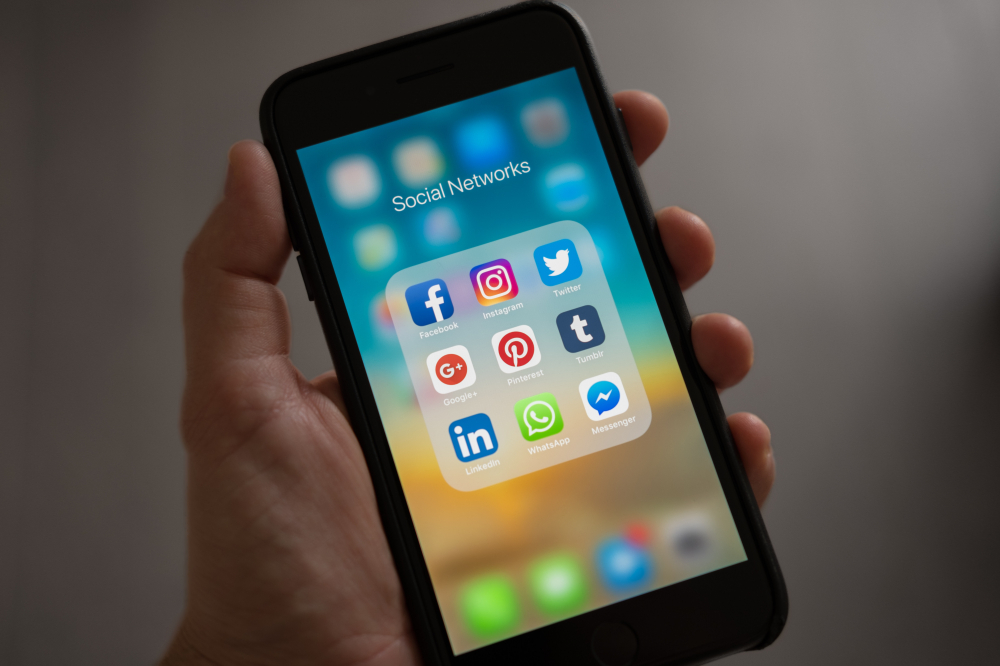
Both indie artists and signed-up musicians need to be visible on social media platforms to stay visible to their audience. We know how hard it can be to keep a steady flow of your social media marketing strategy, especially when you just want to focus on your music. Sharing your events, promoting your latest release, maintaining your profile… An active social profile doesn’t come that easy, yet, well-thought social content will, with no doubt, help you grow your online audience, bring people to your concerts, and attract potential producers and managers. Be visible. You have to show yourself on platforms where most people hang out. That is to say, those online platforms that have billions of daily users: Facebook, Instagram, Twitter, and YouTube. Once you have these covered, take a look at the upcoming platforms to see if you can reach out to more audiences or if it is worthy of your time to invest in being visible on them. Trying is a must; being one of the firsts in the next best thing can give you a nice kickstart. Be consistent. One post is not going to change anything, even if you put your heart into it. A post a day will create consistency and keep your followers up to date. Regularity will create curiosity about what will happen next. After a month of consistent visibility, you will likely gain more followers than you had till that point. Most followers of artists want to enjoy real content, live update makes things real. If you keep yourself visible to them, they will most likely mention you to their friends, or share your posts on their profiles. Tip: Prepare a bunch of posts at the beginning of the week, upload them, and schedule release dates on platforms that provide this kind of service. For other platforms that you have to release material manually, set up alarms throughout the week to publish your drafted articles so that you don't have to wait for the inspiration fairy to come while you are running to the station to catch the train to go to your rehearsal on that horrid rainy Wednesday morning. Be tidy. All profile information should stay up-to-date. Post the news anytime possible. Include the latest album/single releases, concert dates, group descriptions, and photos with your latest look. Keep your biodynamic by always adding a link to your latest promotion. May that be a video, single, album, merch. Have your interviews at hand. Tip: Sometimes less is more. If you are not highly active on stage, take the "latest gigs" out of your news section. Nobody needs to know your last concert was in 2019 summer if your current aim is to have more recorded material at hand. Repeat, repeat, repeat. No wonder why we still remember radio and TV commercials from our childhood. Repetitiveness is the key when it comes to staying in people’s minds. There is a line between being recognized as spam and being an active social media user. Be active on a daily basis, a post or two, in at least a couple of hip platforms. Even if you don’t get visibility in the beginning, consistency is the key! Share what's cookin'. Keep your fans updated about what you’re creating, recording, releasing, or anything else that counts for the artistic improvement of your project. The end product is the goal, but a path that leads to it is equally worth sharing. You can awaken their curiosity by proving that you are a hardworking, trustworthy artist. This will make them want to follow you more, and once your product is out, they will support your hard work with sympathy. Share yourself in action. Make sure to share moments from when you perform. Not every post you put online needs to have a well-lit picture. Your sweaty face with smudged makeup after your most exciting performance is going to attract people as well as your pictures from the heavily produced perfectionist photo shoot session. You can share your moments live, or you can post some photos after the event. Your online followers on social media need to be able to have access to this kind of real-life content. Make them feel they are with you as much as possible. You can also motivate your audience to share their own photos of your performance, to create a stronger online community. Be real about behind-the-scenes. The days of overly happy profiles are long gone now. That doesn’t mean Grunge is coming back either. People tend to be more transparent about their lows and highs on social media. Think about it, any decent Hollywood star is giving credit to their makeup artists nowadays. If you are not deeply involved with him, could you figure out who was the costume designer of Frank Sinatra? Those days are gone now. Talk to your fans about the magic behind the scenes, and support the people who make you look/sound/live the way you are. Make your audience see how interesting, teamwork needing, hardworking, rewarding, or frustrating the life of a musician can be. Make good use of the tags. Add in every post of yours the correct tags to make yourself more visible to the right audience. #canon2020 might be the most lively tag these days, but that won't bring as much audience that will likely follow you after they see your post as #singersongwriter or #djonbudget. Find popular tags that your future fans might already have an interest in, tag the name of the venue you played, the brand of the instruments you’re using, the musicians you’re playing with, the name of the city or the festival, etc. People who don’t follow you yet are right around the corner, waiting for the related tag. Be high quality. Your profile pictures and cover images should have the correct sizes for the platforms. A low-def cover image on a Facebook profile will push people away immediately. A post suitable for Facebook might not have the best layout as Instagram content. This is why, here in AlbumCoverZone we have a customizable press pack ready to use to market your latest single on all major platforms. Once you've prepared your album and put it on sale in various marketplaces, you will need a comprehensive marketing strategy and most of it will be oriented around social media services. AlbumCoverZone.com offers a customizable banner pack that includes professional marketing materials for Facebook, Twitter, Instagram, and LinkedIn for only $29!
The Roots of Retro
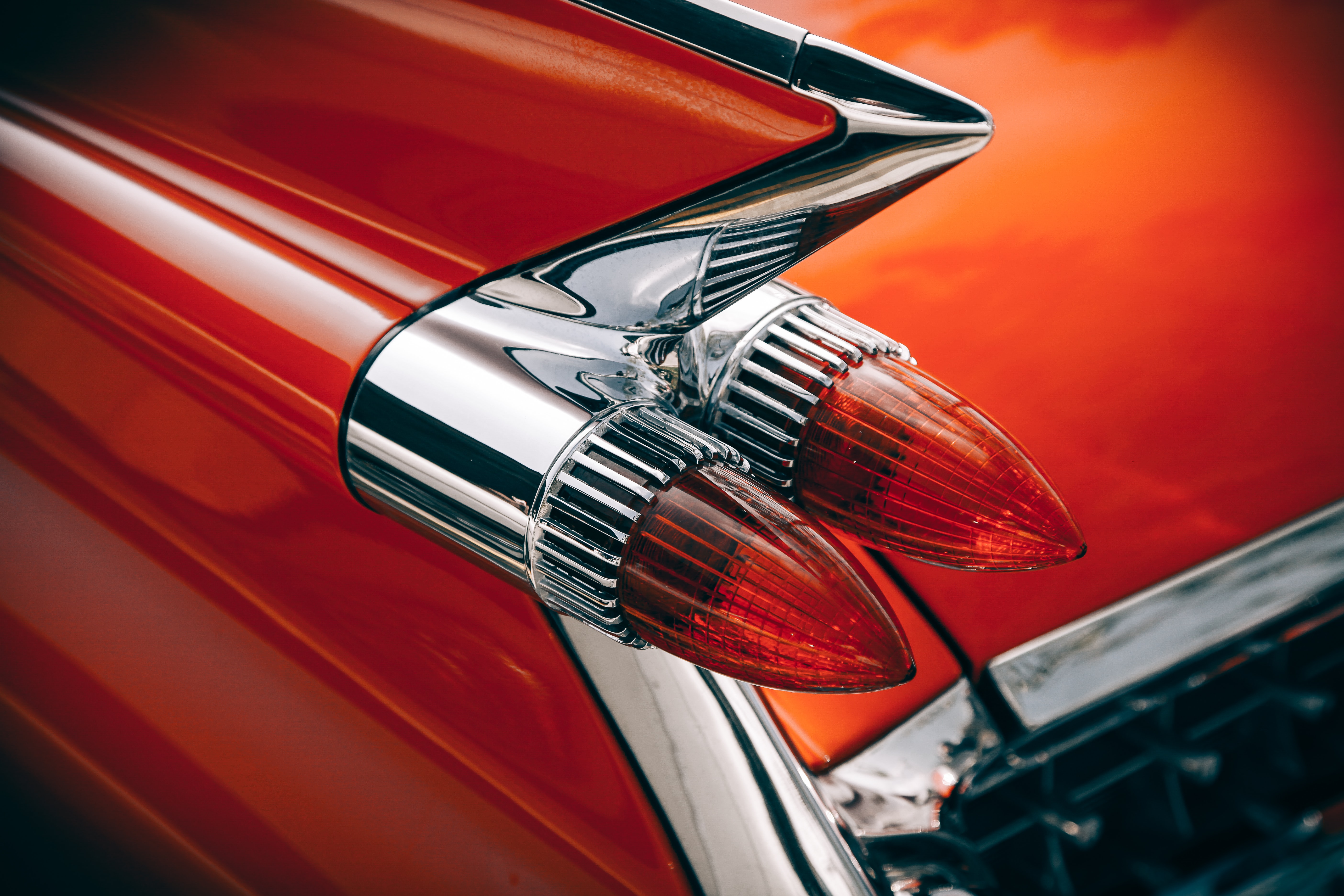
Have you ever wondered why there are so many radio channels and online playlists dedicated to music from the 80s, 90s, and other decades? People wish to remember the past and enjoy what’s familiar, and who they once were. This reminds them of their identity, as well as filling their hearts with that sweet and sour sensation - the good old nostalgia. Even people who weren’t born in the “right” decade enjoy listening to the variety of music styles from those times and tell themselves “It must have been a hell of a ride back in the day…” Retro is here to stay. Retro has been here for a long time, maybe it was there even before you were born, which leads us to the question: “What is retro after all?” By the end of this post, you will come back to our online library of premade album covers and browse our retro cover art with a new perspective. What is Retro? What we generally call retro spans a broad range of decades. It is an ever-changing concept, for with the passing of years, society alters what they consider retro to be. It brings back what once was, not as a traditionalism, but with the spirit of reinvention of the past trends. It is a throwback design style that incorporates a wide variety of lifestyles, even attitudes, from past decades (so far within the 20th century). Retro can be sophisticated, but also ugly, ironic, iconic, or quite serious. This reflects itself on album cover designs as well. Traditional, old, or classic elements of past decades find themselves a way to enter the new language of most of today’s album cover designs. Retro is rooted in generational changes. It works in similar ways with the passing of genetic code from generation to generation. Styles, genres, desires, and cultures are transferred within families, friends, and with, as you might guess, the one and only “media”. It is an urge to find identity in the roots of the past. It is not only found in album cover designs but in everything that consists of visual or audible content. Interior design, fashion, typography, cars, packaging, illustration, painting, movies, photography, and even video gaming have had their big share of retro releases in the past years. Coming back to the case of album cover design, every single music genre has its own retro and vintage looks. Check the album covers of the ‘classics’ of your favorite music genres, (really, any genre will do!). Then check the album designs of the modern artists of the same genres. You will eventually reach two kinds of album designs - the album cover that looks modern, and up to date with a high image definition; and the cover design that will carry visual elements from your favorite ‘classic’ albums which can include a more faded look, dirty/grained image without an incredible color definition, to give a few examples. Retro at Album Cover Zone At Album Cover Zone, we keep up to date with the retro looks of the current album cover trends and also create unique designs and styles. We also have vintage-inspired album cover art that brings back the retro style of older decades, up until the origin of the art of album cover design itself! We present retro not as a music genre but as a design style that you can reach within tags which you can access on the tags menu or by using our search tool. Find the correct album cover for you now from our broad selection of album covers which will give you the visual retro punch you need for your new single, EP, or album.
All about EPK: Electronic Press Kit / Press Pack
Creating a press pack (or electronic press kit, EPK, whichever you call it) requires a solid understanding of the goals and objectives of a musician/music formation/recent release you are promoting. In short; an electronic press kit is a collection of materials that includes a biography, press releases, images, sound files, and other promotional materials that can be used to promote the musician or their latest release. Having an EPK is step one in the field! Even before a website, you should have your press pack strategy ready. If you are planning on releasing multiple albums or singles in the near future, aim at first for a layout that you can use more than once. Building the first press kit will be the most time-consuming one, from then on, you will be filling in the blanks for each release, so be patient! Here are some “musts” on how to write a press pack for a musician. 1. Start with a strong introduction. For most musicians, this is the most difficult part of the task! It should explain who the musician/project/group is, what their style of music is like, and what makes them unique. You can do this by mentioning your influences from existing famous musicians as an upcoming artist followed by your unique qualities that are part of you outside of your main influences. Make sure to bold the crucial sections of your text to create a natural flow for someone who is skim-reading your text. 2. Give information about the release you are promoting; describe your album/single/song in words in an economical manner. You don’t have to dive too deep at this point, but the way a short soundscape can make you imagine an environment, you need to push the boundaries of your vocabulary to create a wordscape to help the reader imagine your sound. As funny as it sounds, reading advertisement lines for perfumes wines and spirits can inspire you more than you can imagine! 3. Write a biography. This should include a detailed background of the person or the entity, including career highlights, and any awards received or achievements reached so far. Add whatever you want and leave whatever you want in terms of “how you want to be known”. If articulating the history of how your small-town band turned big is how you want to be known, emphasize that. If you want to appear out of nowhere and keep some mystery about your background, you don’t need to write your birth place or anything you don’t want to share! 4. Compile press releases. Make sure to include any commentaries, interviews, or news articles that have been published around your music. In your EPK you don’t have to put them all, but after gathering all the information together you can find the perfect quotes to select a few. 5. Include multiple images. It is important to include professional photographs. Provide at least a few options that could go well with any format; some pictures work well for vertical (f.e. the usual poster design) while others are better to be used in horizontal formats. If your artist's pictures don’t follow your album’s color code specifically, provide at least one with dark and one with a bright background. Put your album cover in the press kit as well as the singles’ cover designs if you have released them to boost the album release. 6. Provide sound files. Include a link to your music, if you already have published music in music stream platforms, add at least YouTube, iTunes, Spotify, and Amazon links. The person who will check the press will have at least one of the above. Even if you have a link tree or something similar, it is good to put the separate links available on your email. 7. Offer contact information. Make sure to include contact information for the musician, including their website, social media accounts, and their management or booking contact. Here are some useful tips about press packs: 1. Ideally we imagine an editor or a show host to read everything you write and listen to all your music before coming up with their commentary about your music but not to give a certain percentage, nevertheless, many sites that publish recent releases news will copy paste what you wrote or reword it a little, but keep in mind not every “editor” “writes” before putting their name under an article. So when it comes to accenting your or your music’s qualities, don’t be shy and go bold in your descriptions because they won’t do the job for you. 2. Attach your press pack in various formats; send a .doc and a .pdf for example, but also add the text of the press pack below your email as plain text for them to have the quickest access to the crucial information. 3. Even if you have a website, to which you can put your press pack, still work your .pdf, .doc, and plain text formats. We know, we know, this may sound off but the key is to provide all possibilities to the reader and give them access to your information in any way they desire. By following these tips, you can create a compelling and informative press pack useful for all media channels. A lot of work, right? It is worth it. And to ease up your to-do list, here at AlbumCoverZone, we cover the design work you need to put an album out there. Check our library with more than 7.000 album cover designs to pick the right one for you!