Category: Begin

What is the real purpose of the album cover?
Well why, it is to protect those precious and delicate vinyls of course! But what’s the purpose of the album cover when we now live in a digital world? We don’t need to protect the disc inside a package so it arrives safely to the consumer’s hand, or stays in good shape for a longer time. Clearly when making physical copies a secure album cover is still essential, but why make one for online release?Album covers will always be necessary regardless of the technological state we’re in, for they serve too many purposes. From quickly informing the audience about the artist and the music style, to leading the listeners to an extra-musical experience of the sound.In AlbumCoverZone we believe that the cover art is almost as important as the music it represents. So many iconic music albums or even singles light up an image in our minds the moment we remember them; which is the art they were presented with.If you focus on a band right now, a few album covers will pop up in your mind. Give it a go! Nirvana, The Beatles, Metallica, John Coltrane, Björk… They all have powerful representative visuals that we so strongly associate their music with that it is literally impossible to separate the two. This is a useful method to analyze the visual-sound relation of your heroes, and if you apply the exercise to your music you might come up with a good and solid vision of your image as a musician as well.So, it is safe to say that album covers became so necessary that they are now inseparable from the product they announce even if they don’t function anymore for the very first purpose they were made for. To many, album art is a vital part of the listening experience, and even though digital images don’t have the tangible feeling of the real touch, they do play an important role for the consumer.Album covers help the audience to visually discover new music, as well as to guide through the listening experience. The cover is often used to sum up the musical ingredients in a symbolic way. The symbolism of the cover art changes intensity from decade to decade but it never fades away completely. You can see this change within one band, from their earlier albums to their latest ones, which is often a choice done with the style and fashion of the time taken in mind.So in short, even if it is not needed to protect the physical copies, the albums still need protection of their uniqueness that is stored behind an album cover. Here in the AlbumCoverZone, we focus on a variety of musical and non-musical genres including podcasts, to serve this purpose. Each cover that you see in AlbumCoverZone is unique and can be purchased only once because we know how every artist needs to hold on to their authenticity in the market.The industry of album covers will continue producing engaging visuals, keeping the dream of the inventors of this illustration branch alive, and enriching the musical experience of every one of us.Album cover art is the visual identity of the sound, the artist, the label, and the listener.

2,000 Covers Coming Right Up!
You read it well. Our furnace keeps running and AlbumCoverZone forges more than 2,000 hot covers… Yep, 2,000 crispy designs ready to be the face of your sound! Yet, this number is but a small victory when considering everything else it has been achieved since we passed the milestone of 1,000 covers. We are talking about social media, newly added categories, balanced ripening of genres, and longer lists of satisfied musicians! Our dreams as designers are coming true. Our online catalog has gained an important voice in the world of album cover designs. AlbumCoverZone is contributing to a new era of multimedia, joining musicians all around the world in ways never done before. We have spread to the main social media platforms. Follow AlbumCoverZone on Facebook, Instagram, and Twitter, and get regular updates on our newest releases: https://www.facebook.com/albumcoverzone https://www.instagram.com/albumcoverzone/ https://twitter.com/albumcoverzone We added a new design category for the best Summer Hits out there. For the ones who want to live the sizzling Summer with the greatest music and the hottest cover designs, check out our Summer Hits link: https://albumcoverzone.com/genres/summer_music 2,000 covers mean that our online catalog, in constant expansion, has doubled its size in merely six months! It means that our various genres are gaining a greater identity, ripening up to the perfect sweetness (or bitterness, if that is your preferred taste). This is one of the big distinctions between AlbumCoverZone and other online premade album cover design websites. The secret is in the motivation of our designers to create a catalog that gives equal importance to various major music genres. We invite you to open two, or more, AlbumCoverZone pages with contrasting genres, let’s say Classical Music and Heavy Metal, perceive the differences between the genres, and realize how both have plenty of pro-quality options. Our artist wallet has expanded greatly, as we can see that our covers travel to all four corners of the world. To the ones who have returned for more designs for their new music, we thank you for your trust, and to the ones who are coming to AlbumCoverZone for the first time, we welcome you with open arms. So, go get them while they’re hot!

Path to Success - Going Solo or Working in a Team
Be that you are an aspiring musician working on releasing their first single, or an experienced recording artist, you will find yourself in moments in your life in which you must make a decision: working by yourself or teaming up with others. In the business realm, an independent artist is no different from an entrepreneur dedicated to a non-artistic activity. Both seek the path to professional success which includes creating/acquiring a quality product, attracting clients, and making sales. Both need two essential ingredients: time, and money. Specifically in the world of an independent recording artist, there are many tasks that need to be done aside from actually making music, some of which include project management, sound engineering, marketing, and social media. Finding the right album art for your upcoming music release is also an important task and for that, you can always count on Album Cover Zone. All these tasks can at times be too much for one person to manage. That is why it is so important to frequently evaluate your own situation and understand if you can continue doing things by yourself or if you should ask for help from others. If you want some guidance on how to manage your independent musician career, check out this Independent Artists To Do List at all times available on Album Cover Zone’s blog section: https://albumcoverzone.com/blog/an-independent-artists-todo-list Keep in mind that there isn’t an absolutely correct way of working. Sometimes you may have to work just by yourself, and other times you might need the help of a team. Working one way or the other will change throughout the various stages of your life, according to your necessities. Going Solo If you go solo, you know you can always go back to your office or studio and figure things out by yourself. In this way, you work with your own timings and self-expectations, and by giving your best regularly you will end up creating your music, recording, mixing, mastering, and releasing it. It might be that you will need to ask things from people here and there, but by the end of the day, you are the one making the decisions and doing the craft with the quality that you deserve. Yet, when you work alone you face the famous learning curve, because there will be many tasks (sound engineering, marketing, etc.) that you are required to do of which you might not have any experience. So this process can slow you down when compared to working with people who are experienced in these other realms. Working by yourself will require you to learn everything you need in order to reach your end goal. This extra effort and time that you put into it, will pay you back with a high degree of independence, which leads to both professional and artist satisfaction. While going solo, if you wish to speed up some of the complex process of releasing your music, you can choose which cover, from the catalog of Album Cover Zone, is the most suitable for your next release. Working in a Team When working with a team you are able to save time, for not everything falls over your shoulders. As a musician working with a full team, you would no longer need to spend your energy and time on things such as the mix of your album, the organization of future concerts, or the management of your various social media accounts where you get constant visibility and feedback. If your schedule is free of all this, then you can decide what to do with the rest of your time: make more music, read a book, or go get that well-deserved sleep. When working with others, many factors come into play, especially in the long run. When you go further along your career you get to learn about other people’s styles of work, personal investment in a project, technical capabilities, and personality. As your knowledge of others and the way you work with them gets more complete, you begin to screen your partnerships and understand if there is anything that needs improving. Sometimes you’ll see that the only way for you to go on, to go beyond what you’ve done so far, will be to actually let go of the people you were working with and continue your path with other professionals. Another common thing within the style of working in a team is that, as you get more experienced, you see fewer and fewer people that match your experience. In one way, it makes it harder for you to begin new professional relationships, as there are fewer and fewer people of your level, but in another way, the people who do match your experience and personality will contribute to your work (and you to theirs) at a much higher quality level. As you work by yourself or together with a team, you can always rely on the online design services of Album Cover Zone. By choosing a ready made design from us you get much closer to releasing your music. Browse through the catalog of premade album covers and find the perfect album art. You can also contact our team of professional designers and request any of our custom services. Make us part of your Path to Success.
Tips for Choosing the Right Cover
The designers at AlbumCoverZone prepare their works by imagining a possible vision of a musician or label. They have a passionate effort to get closer to you even before you contact them for a cover. This means that the covers you find here will have the authenticity of an artist designing an album cover just for you. Having said this, the final step is still done by you by personalizing the text areas to your choice. Our albums have example titles and artist names with a plan to guide the eye within the hierarchy of the importance of information. In some covers the artist's name shines more than the album title, or vice versa. In others, the balance between the order of importance of the text and the image is equalized. Given titles and artist names can suggest you the function of the area, but you can also use these areas the other way around. The album cover art is the visual representation of your music, and it is the first contact listeners might have with your product. So, how can you choose the right album cover? We’ve prepared a few simple tips for exactly this question. Good luck and enjoy your search! 1. Look down, look up Just like posing for a band pic. ;) If you do this trick, you freshen up your mind and get to scan the visual information as if you are looking at it for the first time. After looking at an image for too long, you might lose touch with this, so repeat this action as much as you need. Realize which information area pops up to your awareness first, and second, and so on… Unlike movie posters and book covers, album covers break the rules more often because of their square form in terms of text positioning. Even with that, in the eyes of the audience, some covers will be scanned starting with the image and THEN will get supported by the text, and some will be scanned the other way around. It is your choice to go for an album cover that; •hits the audience with a bold color or•invites the audience to look closer for the details. In the same way, it is up to you to give priority to the text information and choose an album cover with visual art that is more supporting rather than dominating the cover. 2. Mix’n’match The title and artist name areas that our designers define in the pre-customized format of each album cover are different. Each cover is built around a different idea of a hierarchy of information. This means, we imagine ourselves wearing the shoes of the musician and decide on the spot that for that cover we need to have; •a bigger area for the artist's name and a smaller area for the title of the album.•an image that is the ruler of the cover and a text that supports and completing the concept.•an equality within the text and the visual art.•and many, many, many, more cool decision makings like these ;) But this doesn’t mean that the final result needs to keep the order in the exact way our designers have chosen. Some bands’ album titles speak for themselves, while in other cases the name of the singer will make people get the album with no questions asked. Make experiments on the covers you like and shift the album title and the artist name from one to the other to see the changing effect in the result. Make the tiny titles huge, and huge titles tiny to see various balance shifts. 3. Challenge yourself with album cover experiments We know when you arrive at this page you have a clear vision deep within your imagination. You have been listening to your music either in your mind or in the studio setting for ages and you have dreamed of a visual counterpart for it maybe even before that. Maybe there have been major conflicts between the band members about whether the tree should be white or black or on the right or on the left. Regardless, it is always good to get out of your comfort zone (as usual). Even if you have found the identity/purpose/message you want the music to have in its visual form in your imagination, try something else as well.Even if you made your mind up around an idea such as “I will use an illustration for sure”, try one of our albums that uses black and white art photography as well! The unexpected might fit like a glove. Often the first idea is the best, but sometimes the second can win over that. ;) Suggested questions: The first question to ask yourself is; what do you want? Below, there are a few questions that can help you find a clearer answer to this. 1. What needs to be seen first? •Visual art of the album or the text information?•Your name or the album’s name?•Are both the name of the artist and the name of the album with equal importance? 2. Do you want the visual of the album cover to: •Tell a clear story.•Make them feel...•Give a message!•Create curiosity? 3. Do you want the visual of the album cover to be: Colorful, black and white, abstract, crowded, simple, pattern-oriented, realistic, natural, calming, gloomy, scary, sexy, modern, traditional… Choose your words and start looking for them in our tags ;) 4. What seems to be the style of the visual representation of your music? •A photograph?•An illustration?•Whatever your choice may be, the next question is “Why that choice?”•And the last one is “What if I go for the other one instead?” We believe these can help you narrow down your “favorites list” to your needs. Go to our tags collection to see covers from a different perspective.
Judge an Album by its Colours
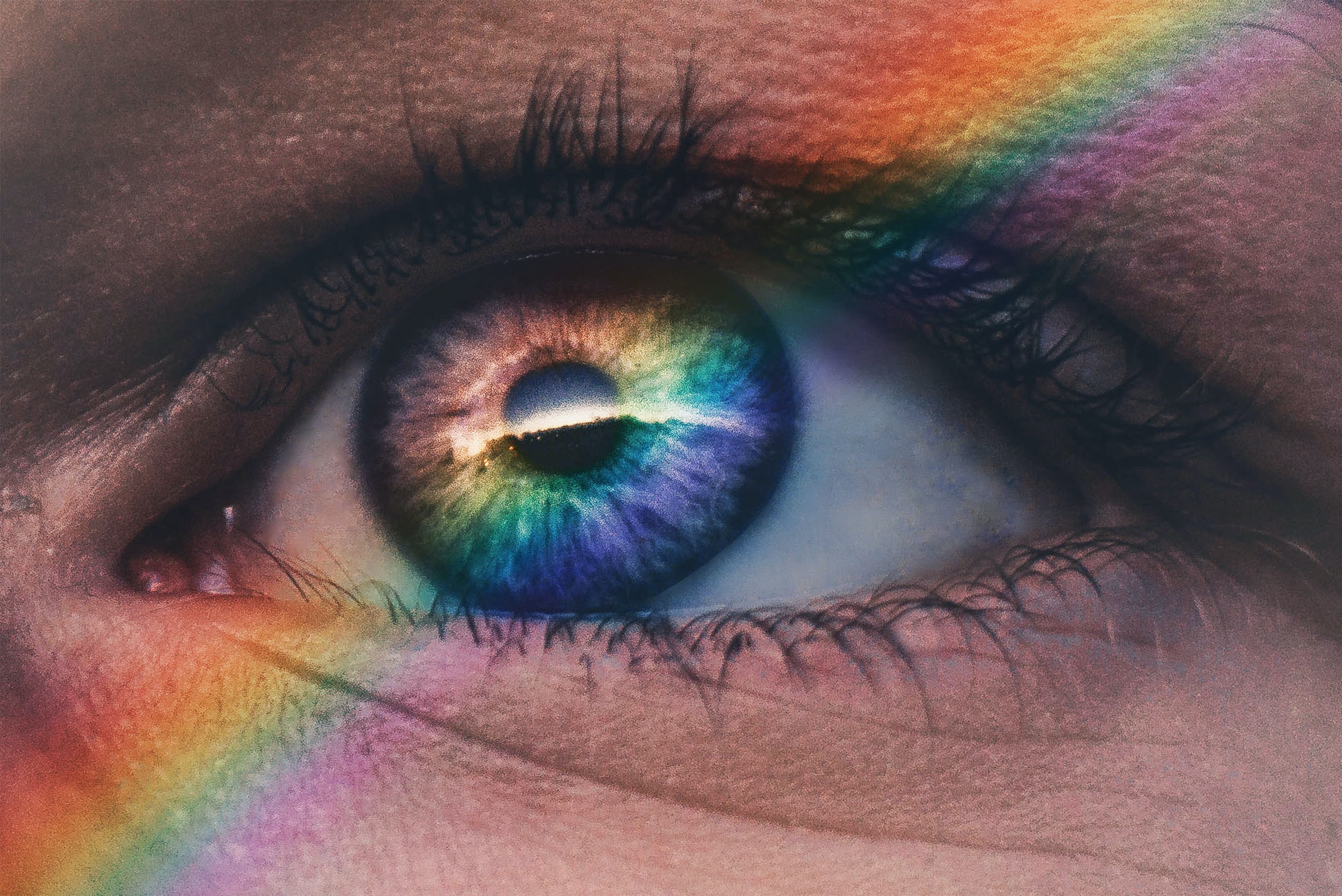
Music is here to describe things we can't put in words easily. Music is here to add a boost to the meaning that we sometimes can manage to put into the lyrics. How about presenting something that is hardly describable with words? When it comes to finding the correct visual to present our next single, EP, or album release, there are many different ways to find "the one" image to go with the sound.You can browse through the cover bank of AlbumCoverZone almost endlessly, which makes us very proud. However, finding the right album cover design for your music can still be tough. Sometimes as musicians, we can create very concrete visual representations of our songs in our minds, so much so that it can be almost impossible to find or create the exact image that is in our minds even side by side with the most talented visual artists. Other times it can be very difficult to narrow down the visual intentions to just one simply squared image. What we are going to talk about here in this article is a suggestion to musicians that are in the latter state. A very powerful and easy way to reach to a conclusion about the visual can be done by paying attention to the "colors" present in our music and then finding them on a cover design. By recognizing the meaning of the music in this very abstract way, we can establish a very strong base and look around to find the visual expression that is based on this color or colors. Do you imagine indoor lightning in your music? Is it morning hours? Is it night? You can start by simply deciding the type of light you imagine on your cover. Colors play an important role in everyone's everyday life. We are surrounded by colors that influence our emotional and mental state. We can jump from one state to the other with the colors as well. We can distinguish brands and figure out what they are about by the color of their logos, before reading what the text in the logo says -this is one of the most practical ways of analyzing the power of colors. But we all know music doesn't work like that and we know that we can't say red is associated with power, hence it is a color for rap and not a color for pop, for example. Because all genres can transmit various emotions. But still, think of the places that make you "feel" something, and you can start figuring out a palette of colors that come with it. Feeling trapped, feeling busy, feeling loved, feeling lonely, can be the key emotions of our songs. We can find these feelings in our memories, and we can remember the places we associate these emotions with. There’s a great chance that the colors of those places have a big weight on how we feel when we are there. Now it is time to link that color palette to the song you are working on. Judging an album cover by its color means looking at the image outside of the first message that hits, but rather perceiving the feeling that it breathes based on the atmosphere it has. An image of a busy city avenue can give the warmest feeling, or an image of the kitchen can be the most lonely place based on the light and the color palette. Allowing yourself to find, or add, a color palette to the meaning of your music can broaden and establish your choices at the same time. Say, if you have a love song sung from the perspective of a child that sees their parents getting separated, the first idea can be a kid, and silhouettes. But maybe the image doesn't have to have a child in it. Maybe the growth of awareness and the sadness, the individuality of the kid, all these abstracts are going to find themselves a visual presentation in an image of an old mirror or a singular object that is in a very cold environment. As long as the image gives you a sparkle about the feeling you are transmitting with your music, the audience will find it as well. The message will be given by your album cover art, not directly but in the feelings that it awakens in others. Below in this text, you can read through a short list of colors with some emotional associations, states of mind, and various other concepts such as one’s perception of the world. Keep in mind that every culture has its own perception and interpretation, which brings beautiful variations to the richness of meanings of colors, while preparing this list, we tried to keep our sources as broad as possible. We also added tips and hints about the usage of the colors in various styles of music, and some information about what they were mainly associated with within the musical context, since at AlbumCoverZone we do analyze the past and try to figure out the future of the music scene to design not just for today but also for tomorrow. Black Formal; Authority; Strength; Exclusive; Power; Death; Mourning; Darkness doesn't have to come with heaviness of the music style; it can present a mature soul. You can see very decisive albums in the pop world use dark visuals when they are about to "get real". White Peace; Hope; Purity; Sense of space; Innocence; Cleanliness; White is often associated with rather soft music but there are very powerful heavy metal and hip-hop albums that use it for its contrasting sake. Sometimes the harshest message needs to be transmitted as clearly as possible. Gray Neutral; Equality; Timeless; Practical; Modern; Passive; We tend to associate grey with rather more urban albums in pop, hip-hop, alternative, and rock genres, but Kings and Queens of Folk are well known for their greyscale album covers as well. The contemporary music scene finds itself a body in the urban jungle as well, so "fresh music" is very much promised in a greyscale album cover. Yellow Joy; Enlightenment; Energy; Laughter; Jealousy; Optimism; Coming from a printing tradition, yellow is often used in texts instead of white, but these years have seen yellow becoming the background; much like in the days of the LPs. Often preferred for podcasts and similar content that need to stick out from the computer screen go for yellow more than anything else. Orange Creativity; Enthusiasm; Warmth; Happy; Energetic; Fun; Certainly not a color that is famous for dominating the color code of a cover, orange is also not often seen throughout the album's art history due to its "difficulty" in presenting itself both in print and early-day computer screens. The music industry still doesn't go for it as much. Red Lust; Warmth; Love; Romance; Excitement; Intensity; Red is found in almost every style of music when it comes to being present a little, but it is the main color of an album that still indicates a boldness that no other color can take over. From passionate in love to blood-lusting aggression, red representations can make the audience feel alerted. For good and bad. Light pink Love; Soft; Gentle; Calming; Affection; Sweetness; Used plenty in the folk and folk-pop scene since the revival, pink will most likely have a comeback in the near future, but these days it is not the dominant color for most styles. Its welcoming aura is found in historical context, in minimalistic folk ensembles, and in relaxing content such as meditative background music and spiritual guides. Purple Royalty; Wealth; Mysterious; Spiritual; Prosperity; Ambition; Having the best romance with golden tones, purple often finds itself a place when glorious, rich, and flashy are the keywords we are looking for. Both hip-hop and classical music can be used very often. Matching it with blueish palettes hints at the gloomy, alternative, post-rock vibes of an album cover as well. Brown Organic; Reliability; Stability; Security; Natural; Comfort; Maybe because of its lack of "standing out", brown is hardly seen in covers as the main element of the palette, taking the usage of actual paintings aside. But who are we to judge? The future might be full of surprises. Bringing as many organic looks to the virtual lifestyle we have these days, may come at any second. Blue Calmness; Serenity; Faith; Cold; Wisdom; Truth; Blue can be pulled around to so many places; vintage, greyscale pictures, glorious skies, thunderous seas, busy cities, lakesides, it is almost as if every story we tell can have some blue in it. Shades of it will help to distinguish the meaning we are looking for. Green Nature; Fresh; Poison; Tranquility; Harmony; Fertility; Money; Green never dominated the album cover design scene as much as red, white, black, blue, or yellow did. It presented itself in the most natural form; which never missed a spot in the album art design scene; the plants. Plants have their own fashion and they represent more than we can put in words very rapidly. But when it comes to green being a dominant color throughout an album cover; the possibility is that we might not be able to associate abstract with it as easily as other colors since it is such a dominant color in nature.

Of Masters, Masterpieces and More
An album design can do two very important things, sometimes separately, and sometimes together. It can inform the listener in a reassuring way, providing an explanation of what is about to happen. When you see a punk album, you know that it is a punk album. Aiming for the target audience will certainly provide easy access to your music by the correct listener. Your listener will pick up your style while fast-scrolling on Spotify or looking for something new in the store. On the other hand, an album cover can also hint that the content under the album cover is fresher than wet paint, highly likely unexpected, probably something that has never been done before, and is in need of an open-minded listener. All that without even hinting at a style, leads the curiosity to the next level. These non-genre-based covers have a target audience in mind as well, a very broad spectrum of people, yet very selective when it comes to taste, will go for the new look simply because it creates this heavy curiosity to figure out what is this album cover hiding underneath.Combining the two is possible. If this was not to be so, there wouldn’t be evolution in the stylistic sense, neither in the design nor in the music.Following the rules of design, giving the audience the expectation (promising punk) and satisfaction (it looks amazing) does not mean that you can’t create curiosity by bending or breaking some rules (it has a heavy string quartet as a part of the band). Design can hint at the mindset of the creation process, and now the audience knows what's on her plate and listens to the music, confirming that indeed it is a punk album but it has lots of risk-takingly new and amazing content. Our designers at AlbumCoverZone keep the great designers of all times as references for their own work. They were the ones who followed the rules to a certain point with which you could figure out what was about to happen behind the cover of the album, but they also were the ones who wrote their own rules which became the tradition to follow for the new born designers. In AlbumCoverZone, we study the impact that has been done by the best designers, analyze the after-effects of their masterpieces, their historical and geographical placement with the sense of aesthetics of their times taken into consideration. We care deeply about following the tradition. After all, not every musician is wholeheartedly saying “I want my music to be unique and not like anything else”. There is a serious game within the tradition; the best player of the tradition will always manage to stick out without needing to “bring things to a new level”. Virtuosistic gypsy jazz players, the most recent person to play 24 Paganini Capriccios live in the same concert, the carrier of the musical heritage of B.B. King, and the medieval pipe master who aims to recreate with deep research the exact sound of the old times will fall into this category. But we also keep it our mission to communicate to the musician that wants to be “the new thing”. Let’s be honest, without them, new genres would not have been born for the traditionalists to master. So here in AlbumCoverZone, you will encounter covers that are designed to inspire the listener to try something new, and other album covers that are designed to reassure the listener to the perfection of the music they are familiar with. Our Contemporary Classical and Modern Jazz sections are filled with covers that are especially to represent the new, the undone.And now we will share part of our secret recipe for good design. Here’s a list of some of the many artists that will forever guide new generations of designers:Alex Steinweiss (1917 - 2011)Naturally, our list of 10 iconic album cover designers begins by naming the father of cover art design Alex Steinweiss. He is not only important for being the first, but also for defining the structural canons of album cover art, and for creating around 2.500 works. Bob Cato (1923-1999)His album cover designs contributed to the development of pop culture for decades. He made album covers for many artists such as Johnny Cash, Miles Davis, Bob Dylan, and Janis Joplin. He received two Grammy awards for the Best Album Cover artwork. Reid Miles (1927-1993)Reid Miles was a modernist designer known for his album covers for Blue Note Records. Together with photographer Francis Wolff, they created the visual branding of the label. He made album covers for some of the greatest Jazz cats of all time such as John Coltrane, Dexter Gordon, Herbie Hancock, and Thelonious Monk. Hipgnosis (1968-1983)Hipgnosis was an English art design group that made iconic album covers for rock musicians and bands such as Pink Floyd, Black Sabbath, Led Zeppelin, and AC/DC, among many other important names. Peter Blake (born 1932)Often referred to as 'the godfather of pop', Sir Peter Blake is a big reference in the Pop Art genre. In the album cover world, he designed the famous cover for The Beatles “Sgt Pepper’s Lonely Hearts Club Band”. He also designed album covers for The Who, Eric Clapton, and Oasis. Storm Thorgerson (1944-2013)Storm Thorgerson is one of the most iconic cover art designers of all time. He is the creator of covers such as “The Dark Side of the Moon” and “The Division Bell” by Pink Floyd, “Absolution” by Muse, and “Wake Up and Smell the Coffee” by The Cranberries. Roger Dean (born 1944)Known for his exotic fantasy landscapes, Roger Dean designed iconic covers for the band Yes and Asia. He created worlds of his own that portrayed the covers of prog rock. His vision of the genre became the core visual element of progressive rock for decades. Derek Riggs (born 1958)Sometimes designing an album cover does not stop right there. With his conceptual works, Derek Riggs is best known for his covers for the band Iron Maiden “The Number of the Beast”, and “Peace of Mind”. Besides his album cover designs, he is known for creating the band’s mascot “Eddie”. David Stone Martin (1913-1992)This American artist is best known for his designs for Jazz albums. Contemporary music going hand in hand with contemporary visual art was the drive in this era, and even today we associate a fresh painting with fresh music. He made illustrations for the music of Billie Holiday, Dizzy Gillespie, and Ella Fitzgerald. His iconic albums were drawn with heavy black-ink lines. Richard Hamilton (1922-2011)English painter and collage artist, Richard Hamilton is the creator of the iconic “The White Album” from The Beatles, becoming one of the most recognizable covers of pop culture of all times. This cover led later other bands to release their own monochrome album covers.

Promotional Strategies and Timeline for a New Album Release
Excitement of a musician with a “finished” album is hardly comparable to anything else. Though each style comes with a different preparation background, we all end up in pretty much the same place after a mind-blowing or head-aching composition period, hours of rehearsals or explorations of sounds on our DAWs (or sometimes both), session after session for arranging and recording, bouncing back and forward gazillion versions of mixes for each song, and finally the mastering. In groups and ensembles with workload share, not all fronteers are shouldered by the same person, but even that comes with the responsibility to keep a productive interpersonal communication, which at times, can be harder than composing that single in the first place. Hence, when a musician reaches that final version of the track or the album, there comes a rush to release and get the feeling of “reward” right away. But not so easy! All that hard work, if not presented well in media, can disappear as fast as it appears, which is why timelining a promotion strategy is a crucial part of being a successful musician. If not, hours and hours put to perfect the material can not be heard by the audience which deserves to discover it in the first place. Today’s world is full of new content, as long as you are not living in a hypothetical town in which there is a hypothetical local record store with its regular customers hypothetically refusing to use the internet, constantly waiting for something new, your chances to get discovered out of the blue is very little. Even to have the possibility to be selected on a playlist of Spotify, you have to wait a decent amount of time which doesn’t come with a guarantee that it will be done so. So crawling your way into the eyes of your target audience over a large period is almost as crucial as the quality of your music album’s content. First of all, choosing the season to release your new album can calm your nerves about the waiting period, because the easiest thing to accept is the fact that a summer album should not be released over winter. This is one of the clearest things that every musician knows deep down inside, that the songs of the new album are asking to be heard on a rainy day in autumn walking down the street, or on a hopeful day of spring with sun shining on blossoms, or on a super chill day of summer, or closed-up with a mug of hot cocoa on a winter night. If Sting released “If on a Winter’s Night…” in the middle of August, it wouldn’t match now, would it? With the same logic Coldplay would not even consider the Christmas season for their album “Viva la Vida or Death and All His Friends” (it was released mid-June, now that you think about it makes sense right?). So, first homework: check the discographies and release dates of musicians and bands that you can relate your music to, and follow in their footsteps. Choosing the season that they have a tendency to go for will help you reach a similar target group. Assume that you finished your album in mid-October and you know that it's meant to be a summer album. Well… Now you have a very valid reason to wait and in the meantime, start preparing the promotional material for your album. As readers of this blog know, we can not put more emphasis on the phrase “consistency is the key”. Whatever season or month you choose to release your product, you have to start carving that date into your audience’s mind through various inception maneuvers. First off, prepare a press pack with your regular artist tone to share on all the platforms you are active on (assuming you already have done your homework on that, if not, we recommend you to read this article on how to create and maintain a successful social media profile for your project. Once the text news is out, having a video in which you make eye contact with your target audience is one of the best ways to go these days, since most platforms are already with or going to have face recognition and are prioritizing the content that has the most “human” in it on their newsfeed sections. After that comes the visual and audio release timeline. Choosing up to four tracks to be released as singles before the actual album comes out is a maneuver most of the top-notch bands are following, so no shame in sharing almost half the content of the album itself as promotion material! This comes with the opportunity to triple or quadruple the promotional material as well. This means, a text-formatted press release to share the news, a vlog post to boil the calderon a bit more, releasing the cover art to add a bit more suspension, changing the cover image, profile image, and all possible visual content on your social media profiles to fit the cover of the single that you are going to release, and finally dropping the single to all the platforms that you are available at. At this point, aiming to gather all audience to one streaming platform is not entirely necessary, since your goal at this point is to reach as much audience as possible. This simple strategy by itself done four times (with each single) in a span of 3 to 4 months is going to cook enough attention from your audience to actually boom the album release in the way it deserves. This is why here in Album Cover Zone we have more than 2.000 options of affordable and unique album cover art waiting for you to choose from, with their press pack promotional materials such as social media banners suitable for all social media platforms, ready to boost your upcoming album’s target audience count!

Having an Album Cover With “You” On It
In pretty much any genre, we see plenty of album covers with the main artist(s) on the cover. No matter what happens in the album cover design world in terms of design fashion; aid and techniques brought up by new technologies that allow new languages to emerge and such; the artists themselves never seem to fade away from the visual representations. Who puts their face on their covers? Classical music virtuosos, hip-hop artists, rappers, metal singers, rock bands, indie artists, singer-songwriters, popstars, country artists, chamber music ensembles, multi-instrumentalists, producers, composers, the list is infinite. Interestingly enough, most of us associate seeing the artist on the album cover design with the artist being “known” already. This comes from the fact that the idea of “recognizable” is often paired up with a photographical presentation. Yet this does not have to be the case in the first album of someone that the world doesn’t know yet. It might sound scary to start with a “you” on your first music release, but if that is the path you wish to take, remember that this was one of the most natural ways for anyone to start their journey. How can we be sure? First of all; until give or take half a century ago; having your picture taken for the cover was literally the default form of the first step to a recording artist career; which meant in the eyes of the audience who was already hooked to mass consumption of popular music, harsh as it sounds, emerging “nobodies” and emerged “somebodies” were presented literally in the same form. Second of all; being a “published” artist oftentimes meant having a label backing up the production, no matter how big or small. And the production dealt by, in the words of Frank Zappa, “the cigar-chomping old guys” of the music industry would be massively income-oriented; seeing each product as an investment that needed to be dealt as such with management, bookkeeping, and of course, presentation. Being “out there” was close to impossible without the help of a rich foundation (the big boss with the cigar), so whoever had an album also had access to the photography studio, photographer, and/or illustrator at hand so that the label could market the product well and earn out of as they were meant to. A “discovery” found by a “talent hunter” could have an equally impressive presentation as an established musician so that the masses could recognize the star that is about to shine and learn to love them in advance. Today’s independent musician is able to build a home studio from scratch with rather minor financial boosts; high-end products can emerge from budget-yet-pro studios and "thank you for the dance" but no cigar-chomping middle men needed, yet considering hiring a photographer still gets cut off from the “todo” list of an indie producer. Now, the photograph of the artist/band/orchestra on an album cover is not a must of course. Vocabulary has changed. Presentation needs have changed. You have your Insta and YouTube and the rest for your presentation now. The square image that is to present your music doesn’t have to present your facial or corporeal features anymore. Not showing your face has been, and always will be, a very powerful way of existing in the music scene. If your music is hardly describable in words limited to our verbal languages, it only makes sense that a photograph may not transmit the whole thing either. Hence the tradition of using artwork as album cover art since pretty much the beginning.Your music may well be much more associated with a busy urban landscape or an abstract motion of an even more abstract shape. Your music might find its visual presentation in the brushstrokes of an artist, in the smile or the teardrop of a stranger, in the reflection of a car mirror showing an empty street, or in the sky that has infinite meanings to offer. This abstract yet strong connection between the visual and the audible art has been established and practiced for decades now. Which is simply why we exist.We have literally thousands of premade album covers for you here; for you to present yourself and your music without needing to show yourself on the cover and still stick out in the crowd, stand tall and unique. We are good at what we do; we have covers that have clear messages, that show the project is profoundly “solid” at what kind of music they do; but we also have album cover designs that serve a multi-genre purpose; for the artist with more than one box to tick in the realm of music genres. But if you are looking at our album covers, especially the ones with people on them, and maybe even keeping it a small secret from yourself, carrying the desire to have your own face or body on your next album’s cover, we are here for you as well.Yup, we are the largest venue of premade album cover designs on the planet Earth at the moment, but we do custom works as well. Check out the services we provide regarding custom album cover designs here, as we can lay out an album cover design for you from scratch with every bit of detail you have had in mind, in your dreams.And! About how to have an artist image that represents you and your music; we have some suggestions to make as well. Stay tuned to the Album Cover Zone blog, because the next post will be about how to communicate your needs to your photographer, how to choose the right image for your album cover and how to design an album cover with “you” on it.

The Right Presentation for You
The guitarist hands out the envelope format album of the band with the album art looking all colorful and adds “We also have it on Apple Music and Spotify,” just a moment before the manager tries to say “I don’t have a CD-ROM,”.The manager needs to accept the gift, she puts the music album in her bag. When she goes home, the album will go out of her bag, and go into her shelf of CDs. The band just gained a window of alone time with the manager and extra attention. If she flips the cover to see its back, decides to Spotify the band, score. Because we all trust our music, right? The hard thing is to make the right people listen to it in the first place. An establishing string quartet finally making their living out of their concerts instead of wedding gigs; they have now their third album available, and now for them giving a concert includes the part after the performance when they sit behind a table to sign the CDs in front of their audience who wants to chip into the project a bit more and bring a bit of the concert home.Thousands of fans, inter-continental tours; the super-popular-extremely-famous pop star also still sells his CDs after the gig. Since he is super-popular-extremely-famous, he might not be the one selling them, but the HD sound quality music in the CD is needed by the audience and the profit from the jewel case album with his signature on it is still part of the production budget.At the age of streaming, musicians still produce physical albums. The reason why might differ but owning an album still is part of the game.From being a business card to being a collectible item, especially in CD format is a shape-shifter on its own when it comes to function. Knowing why you need a physical album can help you shape your budget, your idea, and the material you want to use for producing your album in the CD or LP format.A freshly starting band needs as much merch as possible to become visible, without finishing the money in the band kitty. This kind of merchandise is usually made with two motivations; firstly to hand out to producers, venue owners, potential band members, and basically to anyone that could be collaborated with in the future. This type of gesture are a must even in the most established band or musician’s life, so why not start doing it from the beginning?Reason number two for low-budget merch is approaching the supporters of the band. Since even to make a reasonable profit the band doesn’t need to put a big number on the price tag, low budget production of an album makes it possible for fans to buy it without much consideration about their wallets. Allowing a small extra cash flow to the band to compensate for the venue rent, ticket percentage, organizer’s cut, etc. matters a lot. All start-up bands and musicians fall in love with their first 1000 listeners on Spotify, but yup, selling 10 CDs after a concert gives a pretty warm feeling too! (and is more profitable than streaming when the numbers are not hitting 100,000)In the meantime, today’s fashion is changing direction with the awareness of the global need for green acts, which means one can only produce jewel case music albums if it is done in an entirely environmentally-friendly manner from preferably recycled material for the conscious buyer to purchase. Because of this reason, a lot of high-end musicians and bands are going for the cardboard look as well. Mainly in the digipack format. This makes the hand-crafted album covers done by a starting band look much more in context than before, so take the hint and get your crafting materials ;)Here we have organized a small overview of options, ordered from lower to higher budgets. After reading this article you will gain awareness about what packaging would be best for you regarding your plans. Plastic WalletIf budget, time, and easiness are your main concerns, then you can consider choosing plastic wallets. Quite often used for demos, singles, or albums of new and independent artists, plastic wallet album covers are possibly the most cost-efficient packaging available. Simply print out your new album cover, cut the album art from the printed paper, and place it together with a copy of your CD. The plastic wallet is incredibly thin, allowing more space for carrying more copies around. This makes them ideal when traveling for gigs, busking on the street, or sticking into promotion packs for venues and agents.The downside; envelopes are so thin, that they will not be placed anywhere where they will have presentation power. Similarly, the unified look of the plastic envelopes limit the personalization of the album’s look. But do they carry your music and present your image somehow? Yes. Card WalletSimilarly to the plastic wallets, the card wallets are known for being a low-cost solution. This packaging type brings you back to the beginning of the industry of album covers when vinyl discs were stored in plain paper envelopes. Nowadays, you can find a wide variety of eco-friendly options, including envelopes made from recycled materials and even made of compostable materials. Like plastic wallets, card wallets are space-friendly, and ideal for musicians who travel often. They do offer a greater unification of the printed material, which will include the art from AlbumCoverZone on one side, and the other, information such as the tracklist. Don’t hesitate to contact us for a full front and back design! DIY “One Paper Fold”If you are a DIY type of person, the “One Paper Fold” might be an option for you. This packaging includes nothing more than a single A4 page which you can print at home with your album art and your remaining text content. It is a very cost-efficient package, but you will spend a longer time assembling the full cover, for you do have to measure well the lines for your folding and gluing. If you are good at handcrafts, the DIY One Paper Fold will always make your listeners value your hard work.Carrying this to the next level; if you use an outside with patterned paper, such as papyrus, and reinforce the inside with another layer of cardboard, your CD album will gain durability and visibility by being thicker.Based on your “engineering” skills, you can have an envelope or a booklet with your One Page Fold. Our designer team is one e-mail away from helping you out with the layout in various formats. Jewel CaseThe jewel case is the most commonly used CD case, and that makes it much cheaper than other available options when talking in bigger numbers. It is sturdier than cardboard or thin plastic wallets, offering greater protection and storage of your CD. Its inner “teeth” allow the insertion of plenty of printed content, for if you are thinking of adding your cover art to a booklet. Digi-pakDigi-pak packages come in a variety of forms, allowing musicians and bands to shape it to their personal concept. It usually comes with one or two inner acrylic CD holders placed inside a foldable card. The card part can have all sorts of angles and folding styles which allows the musicians to have the song info, band info, etc. in a layout that they want, instead of a uniformed booklet. These models for music albums are often used as a more luxurious alternative to the standard jewel case. This is why this is more useful for slightly established bands with a higher budget for the merch. Since the production material includes less plastic than the Jewel Case, it will be appreciated more in today’s audience circles. Enjoy your search for your look, do your research and if you need, our designer team is here to offer their service for the layout options. Having a physical version of your album, with the front and back, is a game changer for your career!

To be More Visual Than “Present”
COVID-19-era musicians that reached these days already showed that there is strength in creative minds that can’t be pushed aside by the pandemic. But just like in any other frontier, the musicians needed to learn and adapt to the current circumstances. Most projects became more active in producing streamable content to stay visible on various newsfeeds rather than giving concerts. Recording and producing music became much more distanced than before, bands that used to record collectively had to reinvent the rules of the game from scratch. While the largest festivals are announcing their cancellations, biggest bands and musicians announcing the concert they might give the next year, each and every performance artist is trying to come up with a new strategy to grow their audience, and keep the budget running. What it all ends up to is clear; due to what the world is facing, today’s musician needs to be more visually presentable than just being “present”. Numbers have shown that since the beginning of social distancing, more people turned to streaming than before. Home offices gave chill playlists a new meaning. Podcasts are not only for breakfast time anymore. Freedom to choose music was harder in shared offices, but now home office workers in any field of the profession can listen to whatever they want, whenever they want. The “commute listener” is not limited to the drive time (as long as there isn’t a Zoom meeting that can’t be muted of course). So, independent artists need to aim for streaming platforms more than before as well. Before the independent musician could make do without a professional album art, considering the EPs were mainly sold at the venue after the gig; the buyer would know what they were buying. But the same low-key album art design approach doesn’t sit well as part of the layout of Spotify, iTunes, and all the other major music stream platforms. Because, unlike music stores, stream platforms give the indie musician the opportunity to appear next to the award-winning musician, and that opportunity needs to be used to its maximum. Unless you are part of a playlist, chances are before your music hits ears, your album cover art will be seen. And having professionally made album art will lift up expectations about your music to the next level. This is why the cover design of an album plays a very important role in the success of a musician’s profile from the very beginning, and even more these days. In a successful album cover art, the album art and the album’s text layout and design are as important as the other. Album cover art that follows the rules must follow them to the finest detail, which can be invisible to the amateur eye, but can be felt as much. Whereas album cover art that is there to express the rebel soul needs to break all the rules possible at once, which hardly is an easy task to achieve; simply put, to think out of the box one must know where the box begins and ends very well. Here at AlbumCoverZone, our designer team practices both sides of the coin to create unique album cover art for everyone. They follow the latest fashions of the album art design world, they study the inventions of the adventurous spirits, they keep an eye out for the comebacks of various stylistic approaches and they create album art with their own personal touch. With almost 3.000 unique album cover art and design, AlbumCoverZone is the leading brand for independent musicians and labels to achieve the professional look their music deserves. We take great pride in our collection of unique album cover art that can be used for a broad variety of musical styles. We make sure to keep our database evenly growing to a whole spectrum of music genres, as the makers of most by-the-book classical music productions to the most category-evading innovative art pop pieces, our customers find what they are looking for, knowing that the album art they get from us is going to be uniquely theirs.